
Towing Cost Per Mile Explained
When people search for towing prices, one phrase appears again and again: “towing cost per mile.” It sounds simple, but in reality, it’s one of the most misunderstood parts of towing pricing. Many drivers assume towing works like a taxi meter—start moving, pay per mile, stop. That assumption leads to confusion, frustration, and unrealistic expectations.
Navigating the Mileage Myth about Towing Cost/Mile
This guide breaks down the mechanics of mileage-based pricing using plain language and industry logic. To get the most out of this information, it should be read as a specialized deep dive alongside our foundational resources:
For a broad breakdown of all possible fees, visit our Towing Costs Explained pillar page.
For a comprehensive look at safety, logistics, and pricing, see our Complete Guide to Towing.
What This Article Covers Towing Cost/Mile
Rather than repeating general pricing advice, we focus exclusively on the per-mile variable. We will explore:
The Logic: Why companies charge by the mile and what that fee actually covers.
The Calculation: How “hook-up fees” interact with mileage to create the total price.
The Interpretation: How to analyze a quote calmly so you aren’t caught off guard during an emergency.
By understanding the “why” behind the odometer, you can set realistic expectations and communicate more effectively with dispatchers.
Table of Contents
What “Towing Cost Per Mile” Really Means
“Towing cost per mile” doesn’t imply you only pay while the car is moving. It means the distance-based part of the overall towing charge, which is added to a base or call-out cost. This difference is quite important.
There is a price per mile since towing costs money over time, and those expenses gradually up with distance. Fuel consumption rises, operator time increases, and the tow truck experiences mechanical wear. Also, the towing operator is still accountable for the car for the whole trip, which makes them more liable with each mile they drive.
This term helps clear up one of the most prevalent misunderstandings: that a short tow should always be “cheap” merely because the distance is little.
Why Towing Is Not Priced Like a Taxi or Rideshare
Taxi and rideshare pricing assumes a passenger vehicle moving itself. Towing is fundamentally different. A tow truck carries or pulls another vehicle, often one that cannot steer, brake, or roll normally.
Towing requires specialized equipment, careful handling, and legal responsibility for the vehicle being transported. Even before the first mile is driven, time and resources are already invested. This is why towing always includes a base cost before mileage is added.
Comparing towing to passenger transport leads to unrealistic expectations and misunderstandings about pricing fairness.
Most towing costs follow a simple but important formula:
Total Towing Cost = Base Fee + (Cost Per Mile × Distance)
The base fee covers:
Dispatching the truck
Operator labor
Standard towing setup
The per-mile cost covers:
Fuel usage
Travel time
Mechanical wear
Ongoing responsibility
This structure ensures towing services can operate safely and sustainably, regardless of whether the tow is short or long.
Why Short Tows Often Feel Expensive Per Mile
People sometimes grumble about the price of towing when they just need to go a short distance. People figure up the overall cost, divide it by the number of miles driven, and think the “per mile” cost is too high.
The basic fee is what truly makes up the overall amount. The operator still had to send the truck, operate, and utilize the equipment, even if it was just a short distance.
This doesn’t indicate that the tow cost too much. It signifies that the cost structure doesn’t go up or down in a straight line over extremely small distances.
For longer tows, the opposite effect occurs. The per-mile rate may be lower, but the total cost increases because distance accumulates. Each additional mile adds fuel cost, time, and wear.
Long-distance towing also increases exposure to traffic, weather, and delays. The towing operator remains responsible for the vehicle the entire time, which is reflected in the mileage charge.
This is why long-distance towing often requires more planning and budgeting than local towing. To help you determine which service fits your needs, our guide on
Per-mile towing charges are not just about fuel. They represent a bundle of costs that grow with distance.
What per-mile towing typically accounts for
Fuel consumption
Driver labor time
Engine and brake wear
Tire wear
Insurance and liability exposure
Each mile increases operational cost, even if conditions appear smooth and uneventful.
Not all vehicles cost the same to tow per mile. Heavier vehicles increase fuel consumption and require more powerful tow trucks. This affects both base fees and mileage charges.
Smaller passenger cars are usually the least expensive per mile. SUVs, vans, and trucks increase cost due to weight and size. Specialty vehicles, such as RVs or heavily loaded vans, may require custom pricing.
This is why two tows traveling the same distance can have different per-mile costs.
Flatbed vs Wheel-Lift: Mileage Cost Differences
Flatbed towing generally costs more per mile than wheel-lift towing. The reason is simple: flatbeds are heavier, consume more fuel, and take longer to load and unload.
However, flatbed towing offers better vehicle protection, especially for modern vehicles, all-wheel-drive systems, or cars with drivetrain damage. In many cases, the higher per-mile cost prevents expensive repairs later.
Choosing towing method should prioritize vehicle safety, not just mileage cost.
To see how vehicle type affects your rate, explore our comparison of flatbed vs. wheel-lift towing, which details why specialized equipment can influence the total distance-based price.
Where the towing takes place also matters. Urban towing involves traffic, stops, and tighter spaces. Highway towing allows smoother travel but often covers longer distances.
Urban mileage may involve more time per mile, while highway mileage involves sustained fuel usage. Both affect cost, just in different ways.
This is why per-mile charges may vary depending on location and route.
Mileage costs do not exist in isolation. Traffic congestion, night driving, and weather conditions all increase risk and time. Rain, fog, snow, or extreme heat slow operations and increase safety precautions.
Night towing often includes higher per-mile charges because of reduced visibility and increased safety risk. These adjustments reflect real working conditions, not arbitrary fees.
How Insurance and Roadside Assistance Handle Per-Mile Limits
Many insurance policies and roadside assistance plans include towing, but usually with mileage limits. A common structure is coverage up to a fixed distance, with per-mile charges beyond that.
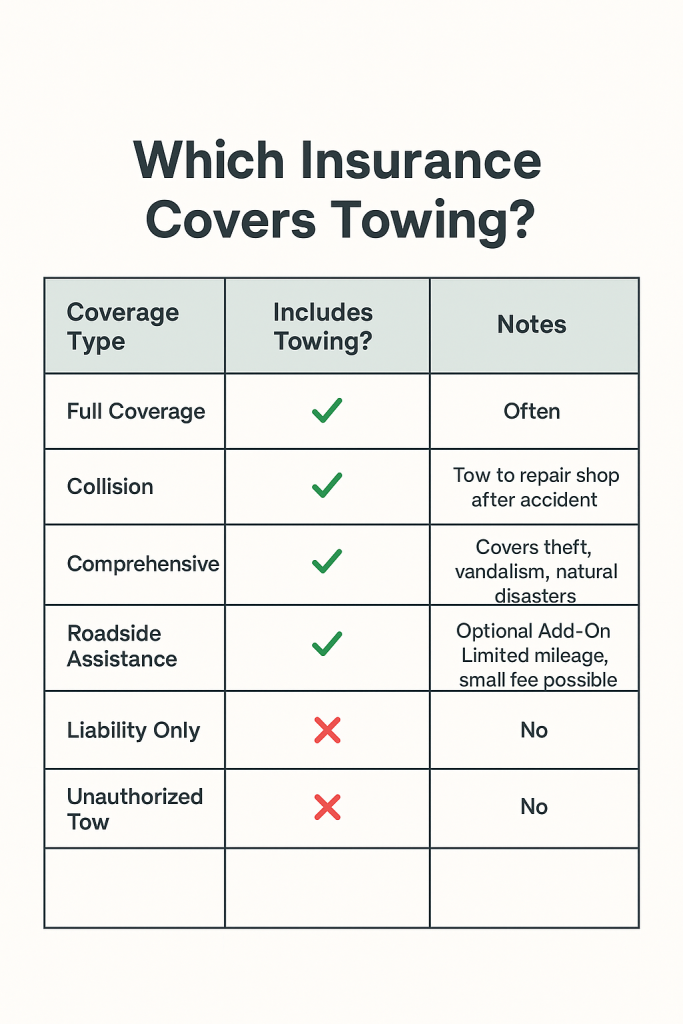
Understanding these limits before a breakdown helps you avoid unexpected out-of-pocket costs. Even partial coverage can significantly reduce mileage expenses when used correctly.
Towing calculators help translate mileage into realistic expectations. They combine base fees, per-mile charges, and vehicle type to provide a cost range.
While no calculator can account for every variable, they reduce uncertainty and help drivers plan calmly instead of guessing under pressure.
Using a calculator shifts the question from “Why is this so expensive?” to “Does this estimate make sense given my situation?”
Several myths surround per-mile towing pricing:
That per-mile cost should be low for short distances
That longer tows should always be cheaper per mile
That mileage is the only cost factor
In reality, mileage is just one part of a larger pricing system designed to account for safety, labor, and responsibility.
You cannot always control when towing is needed, but you can reduce surprises.
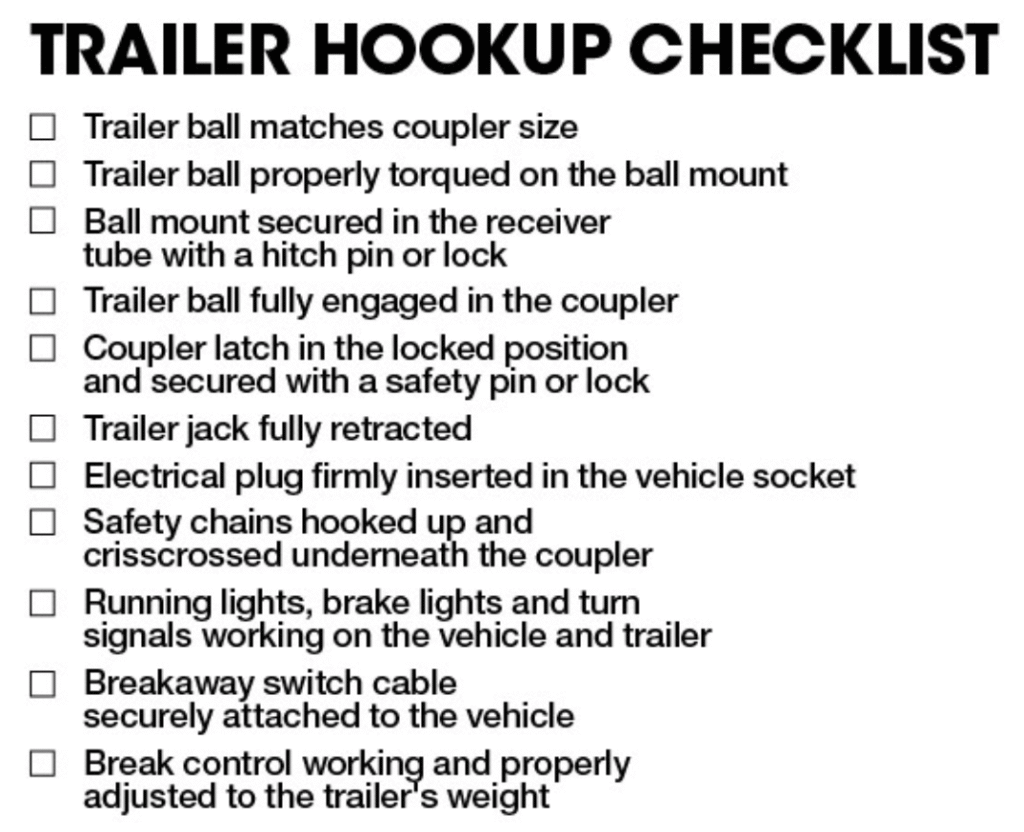
Smart steps
Know your insurance mileage limits
Confirm destination before towing begins
Ask how mileage is calculated
Use a towing calculator when possible
Clear information leads to calmer decisions.
The cost of towing per mile is only complicated when you don’t understand it. When you realize what it means fuel, time, wear, and responsibility. It makes sense instead of being annoying.
This page, combined with the pillar guide on towing expenses and the comprehensive towing, will help you get the whole picture. Towing becomes less scary when you know how mileage pricing works.
Knowing how much it costs to tow a car per mile not only saves you money, but it also helps you keep calm and in charge should things go wrong.