The Complete Guide to Towing: Costs, Capacity, Safety & Smart Calculations
Towing seems easy until something goes wrong. A car breaks down, a trailer sways on the highway, or a bill comes in that is much higher than expected. In many cases, the problem isn’t bad luck; it’s a lack of information. Most towing mistakes happen because people don’t know how towing works.
This guide is meant to clear things up. It explains towing in simple, practical terms without trying to sell you services, brands, or shortcuts. Whether you plan to tow once or regularly, this article gives you the knowledge to make safe, calm, and informed decisions. Everything here is evergreen, experience-based, and focused on real-world use—not just theory.
What Towing Really Means (Vehicles, Loads & Limits)
In its most basic form, towing implies moving a vehicle or cargo that can’t or shouldn’t move on its own with another vehicle. It may be a broken-down automobile, a trailer full of tools, a camper, or a motorbike. A lot of people don’t know this, but towing puts a lot more stress on a car than driving normally.
When you tow anything, the engine has to work harder, the gearbox has to work harder, the suspension has to carry more weight, and the brakes have to slow down a lot more weight. This is why companies put up towing restrictions and why going above them typically causes mechanical breakdown. These restrictions aren’t just assumptions; they’re safety limits.
Another important fact is that towing is a system, not just one thing. The tow truck, the cargo, and the link connecting them must all operate together. A weak hitch on a powerful car is dangerous. A hitch that is highly-rated yet doesn’t distribute weight properly is also dangerous. Balance, not just strength, is what makes towing safe.
At its core, towing involves three elements:
The tow vehicle
The load being towed
The connection system (hitch, straps, chains, or flatbed)
Problems begin when people assume towing is only about engine power. In reality, braking ability, suspension strength, frame design, and weight balance matter just as much as horsepower.
Key limits you must respect
Maximum towing capacity
Payload capacity
Hitch rating
Tongue weight
Axle limits
Ignoring even one of these can cause instability, brake failure, or structural damage.
Types of Towing Explained (Light, Heavy, Flatbed, RV, Motorcycle)
Different scenarios call for different ways to tow. If you choose the incorrect form of towing, you might damage your car, make it more expensive, or put yourself in a lot of danger. This is why it’s important to know about the many sorts of towing, even if you don’t do it very often.
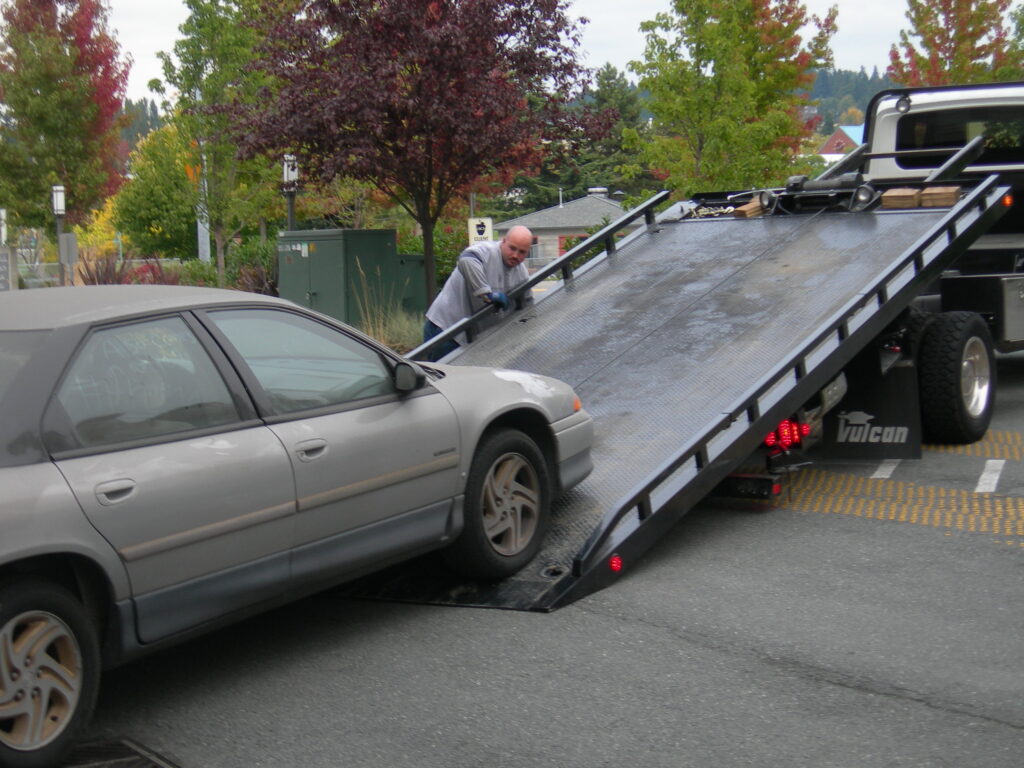
Light-duty towing is used for regular vehicles and small SUVs, usually over short distances. Flatbed towing elevates the whole car off the ground, which makes it one of the safest ways to transport contemporary automobiles with delicate gearboxes. Motorcycle towing employs rails or cradles to keep the bike steady and upright.
Pulling an RV means pulling a camper or a car behind a motorhome. Both of these tasks involve precise weight balance and brake control. Heavy and semi hauling need specific recovery vehicles and expertise since they include big trucks, buses, or industrial equipment.
There is an argument for each sort of towing. The safest option is not the one that costs the least or gets there the quickest; it’s the one that best safeguards the car being relocated.
Common towing types
Light-duty towing: Passenger cars, small SUVs, short distances
Flatbed towing: Entire vehicle lifted onto a truck
Motorcycle towing: Specialized rails or cradles
RV towing: Towing campers or towing a vehicle behind an RV
Heavy towing: Trucks, buses, construction equipment
Each method exists to reduce risk. For example, flatbed towing avoids transmission damage, while heavy towing focuses on axle load distribution and reinforced recovery points.
Understanding Towing Capacity vs Payload
Towing capacity and payload are often misunderstood, yet they are two of the most important limits when towing. Confusing them is one of the fastest ways to overload a vehicle.
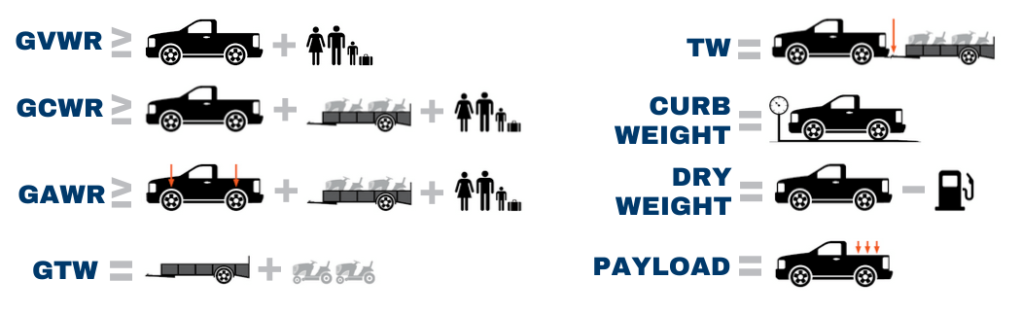
Towing capacity is how much weight your vehicle can pull behind it. Payload is how much weight your vehicle can carry inside it, including passengers, cargo, fuel, and the downward force from a trailer (called tongue weight).
Here’s the issue: tongue weight counts against payload, not towing capacity. Many people exceed payload long before they reach towing capacity, especially when traveling with passengers or gear.
Simple comparison
| Term | What It Controls | Why It Matters |
|---|---|---|
| Towing Capacity | Weight you pull | Protects engine & transmission |
| Payload | Weight you carry | Protects suspension & brakes |
Ignoring cargo causes the suspension to droop, makes it harder to steer, and makes it take longer to stop, which is quite hazardous at highway speeds.
Example
If your SUV has:
7,000 lb towing capacity
1,300 lb payload
Passengers, fuel, cargo, and trailer tongue weight all reduce payload. Once payload is exceeded, towing capacity becomes irrelevant.
Why this matters
Overloaded suspension reduces steering control
Braking distances increase
Tires overheat faster
Insurance claims may be denied
How Towing Costs Are Calculated
Towing costs often feel unpredictable because people usually encounter them during stressful situations. In reality, towing prices follow a fairly logical structure based on effort, distance, and risk.
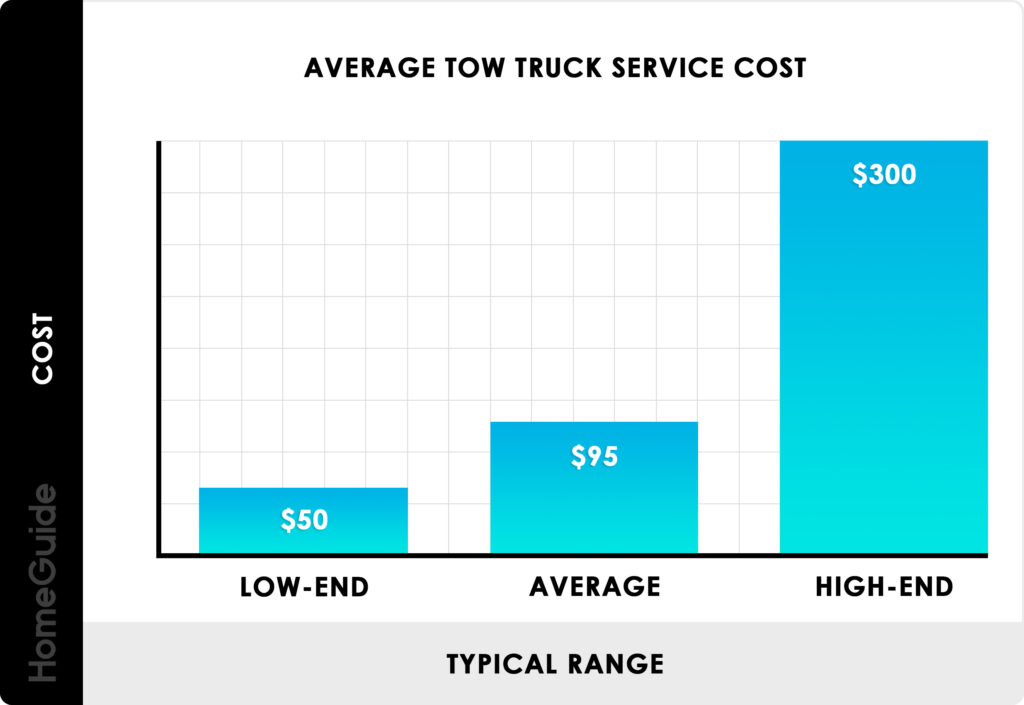
Most towing services charge a base hookup fee that covers equipment use and labor. On top of that, a distance-based rate is added, usually calculated per mile or kilometer. Additional charges apply for heavy vehicles, flatbed use, accident recovery, off-road access, or after-hours service.
Common cost factors
Hookup or call-out fee
Distance traveled
Vehicle size and weight
Type of towing required
Time of day or weather conditions
This is why towing estimate calculators are useful: they let you know how much things could cost before you become too upset or rushed.
Typical cost structure
| Cost Factor | Why It Affects Price |
|---|---|
| Base hookup fee | Covers equipment and labor |
| Distance rate | Fuel, time, wear |
| Vehicle weight | Requires stronger equipment |
| Special handling | RVs, motorcycles, heavy loads |
This is why towing estimate calculators are useful—they help you understand pricing before stress takes over.
Why Towing Calculators Matter
Towing calculators exist because humans are poor at estimating weight, distance, and mechanical stress. Calculators replace assumptions with numbers.
A good towing calculator considers vehicle specifications, estimated load weight, distance, and safety margins. It helps answer questions like: Can my vehicle handle this load? and What will this tow likely cost?
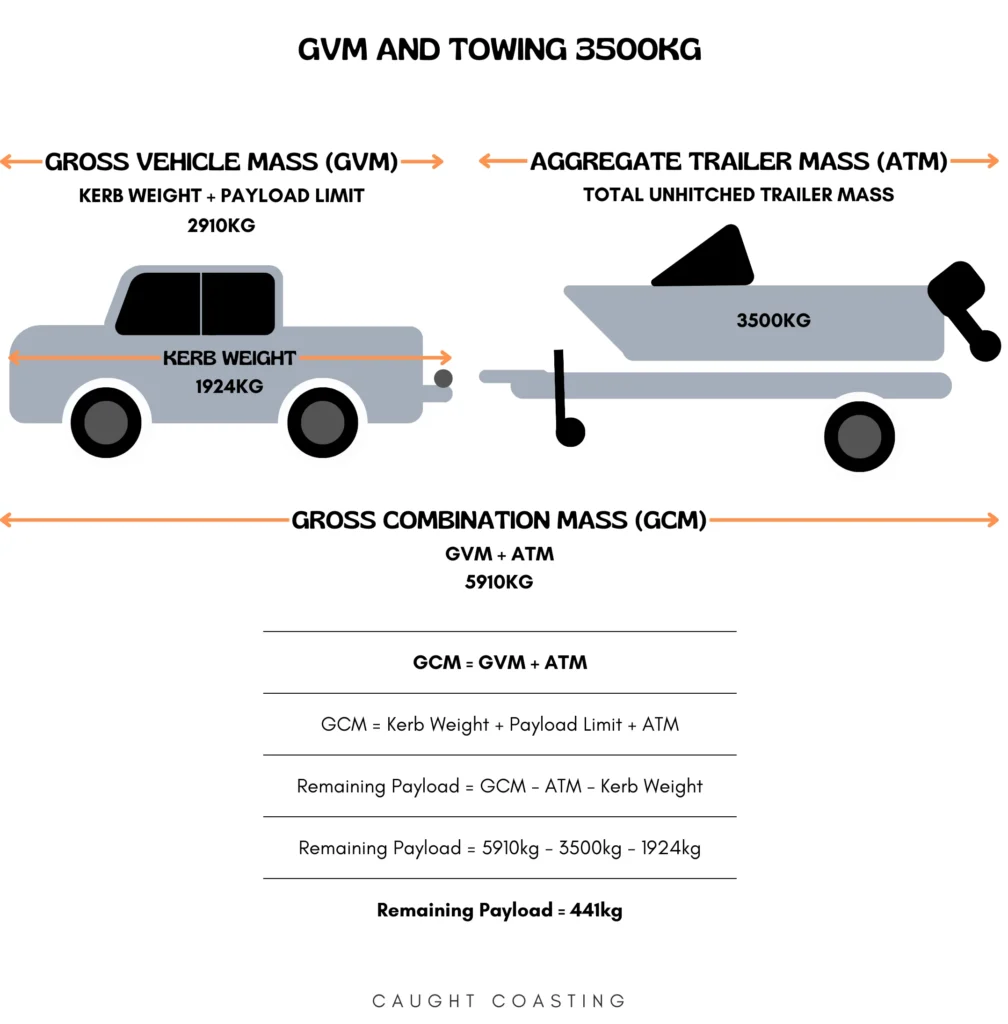
Using a calculator doesn’t mean towing becomes risk-free. It means risks are visible instead of hidden. That alone prevents many costly mistakes and dangerous setups.
Safety, Equipment & Legal Basics
Safe towing begins before the vehicle moves. Equipment checks and preparation matter more than speed or experience.
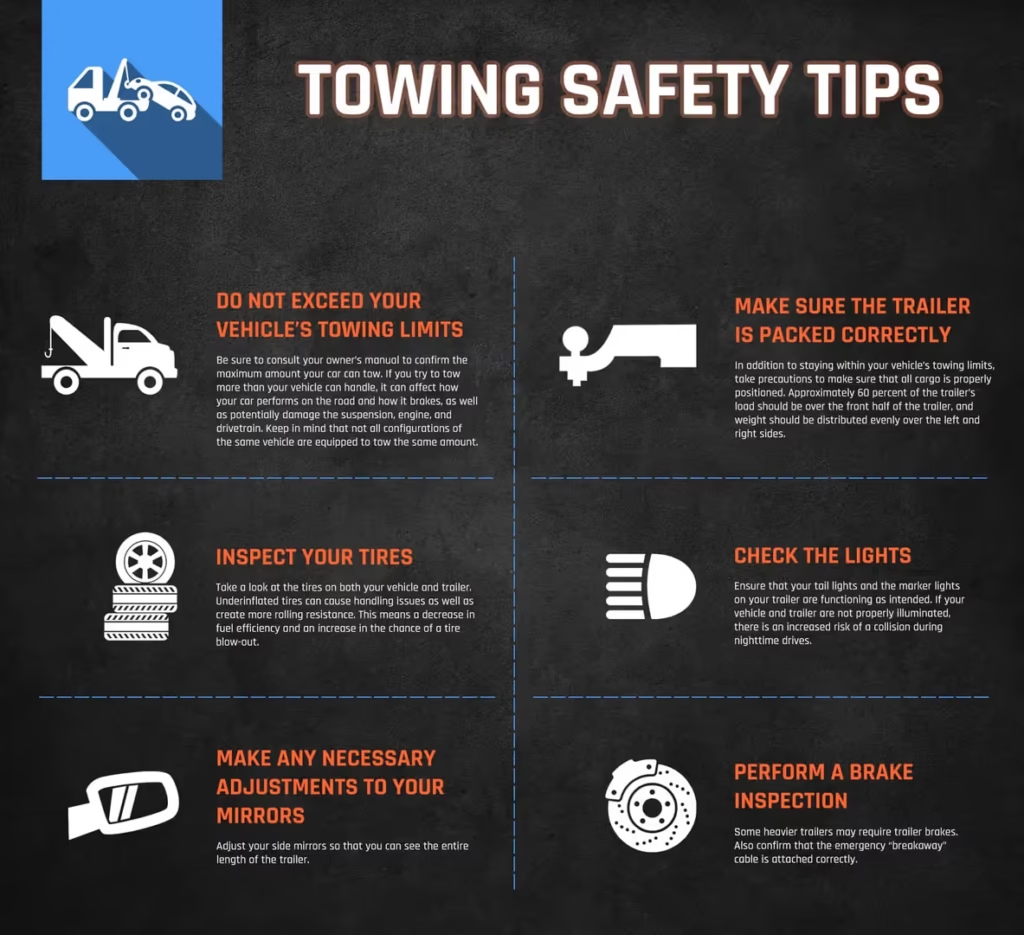
Essential towing equipment includes a properly rated hitch, secure safety chains or straps, functional brake lights, and correct tire pressure on both vehicles. For larger loads, extended mirrors and trailer brakes may be legally required.
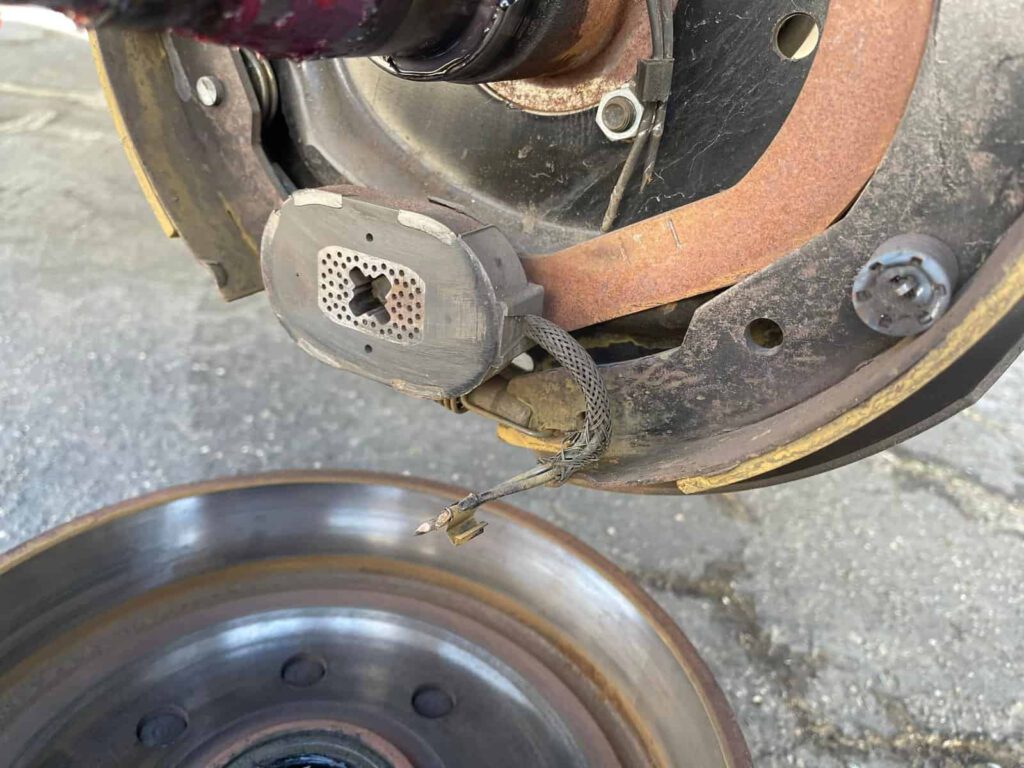
Laws vary by location, but most regions share core expectations: loads must be secured, lights must be visible, and weight limits must be respected. Ignoring these basics can result in fines, denied insurance claims, or worse—accidents that could have been avoided.
Essential safety equipment
Proper hitch rating
Safety chains or straps
Functional brake lights
Extended mirrors if needed
Correct tire pressure
Legal basics (general guidance)
Lights must be visible
Load must be secured
Weight limits must be respected
Emergency equipment may be required
Laws vary by region, but safety expectations are universal.
Choosing the Right Vehicle for Towing
The greatest car for towing isn’t the one with the highest touted figure; it’s the one that fits how you really haul. When you just need to tow little distances every now and again, your priorities are different than when you need to haul vast distances all the time.
Trucks usually have a bigger payload and superior stability, whereas SUVs are more comfortable and useful every day. The length of the wheelbase, the braking systems, the axle ratios, and the cooling systems are frequently more important than just the power of the engine.
General comparison
| Feature | SUV | Truck |
|---|---|---|
| Comfort | High | Moderate |
| Payload | Lower | Higher |
| Stability | Moderate | Strong |
| Daily use | Easier | Work-focused |
Choosing correctly reduces stress on the vehicle and improves long-term reliability.
When to Use Local vs Long-Distance Towing
Local towing is designed for short distances and quick response. It’s ideal for breakdowns, flat tires, or short relocations and is generally more affordable.
Long-distance towing requires planning. Towing costs per mile become important, and vehicle protection matters more. In many cases, towing a damaged vehicle long-distance is safer than driving it—but only if weight limits and secure transport methods are used.
Common Towing Mistakes to Avoid
Most towing failures happen because people rush or assume experience replaces preparation. Common mistakes include ignoring payload limits, uneven load distribution, underinflated tires, and using the wrong towing method.
Another frequent error is relying on “maximum ratings” without leaving a safety margin. Just because a vehicle can tow a certain weight doesn’t mean it should in real-world conditions.
Good towing habits are cautious, repetitive, and boring—and that’s exactly why they work.
Common mistakes
Trusting “maximum” ratings without margin
Ignoring payload limits
Poor weight distribution
Using the wrong towing method
Skipping safety checks
Tools & Resources for Smart Towing Decisions
Reliable towing decisions come from preparation, not confidence alone. Tools exist to help drivers make better choices under pressure.
Useful resources include towing calculators, capacity charts, cost estimators, and safety checklists. These tools don’t replace judgment—but they support it when decisions matter most.
How Much Does Towing Cost? Real Numbers, Not Surprises
One of the first questions people ask during a breakdown is simple: how much does towing cost? The problem is that towing prices are rarely fixed, and that uncertainty often causes frustration or panic. Understanding how costs are built removes most of that stress.
In general, towing costs include a base hookup fee plus a distance-based charge. The base fee covers the truck, operator time, and basic equipment. Distance charges account for fuel, travel time, and wear on the towing vehicle. Additional fees apply when towing requires special handling, heavier equipment, or recovery from difficult locations.
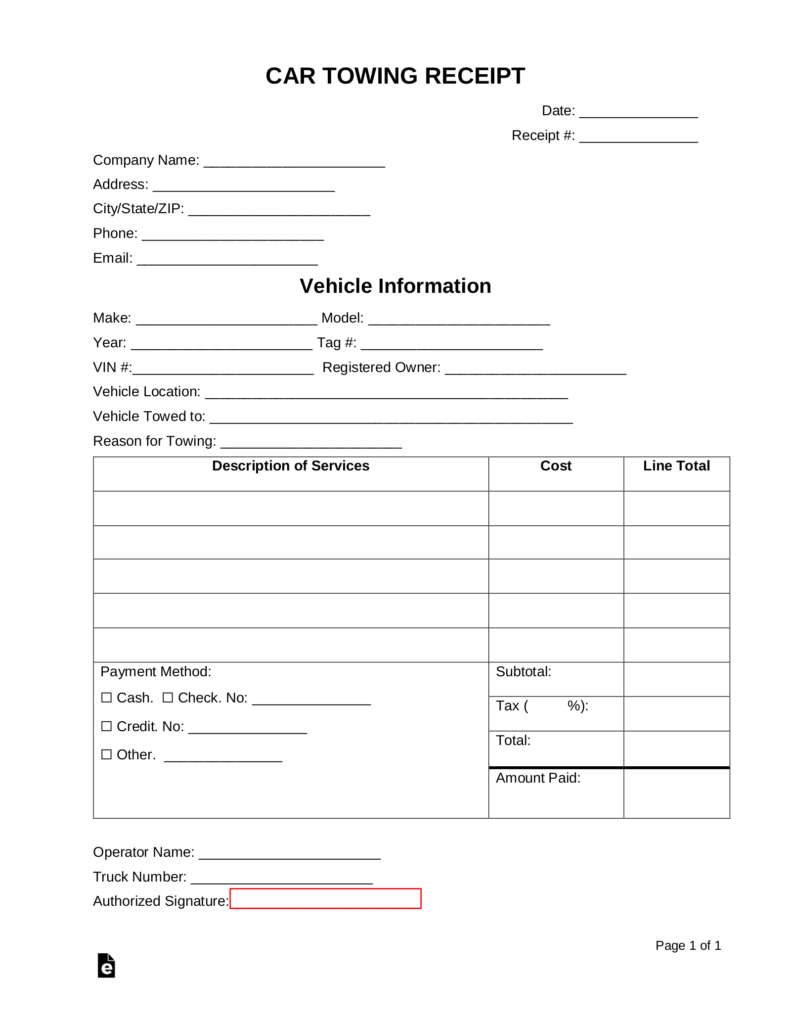
Typical towing cost ranges (general guidance)
| Towing Situation | Common Price Range |
|---|---|
| Short local tow (5–10 miles) | Moderate |
| Long-distance towing | Higher (per mile adds up) |
| Flatbed towing | Higher than wheel-lift |
| Accident recovery | Higher due to complexity |
| Heavy or RV towing | Significantly higher |
Prices change depending on where you are, what time of day it is, and what kind of car you have. This is why towing estimate calculators are helpful: they let you make selections without rushing.
Towing Cost Per Mile Explained
When towing involves longer distances, the Tow cost per mile becomes the most important factor. Many towing services charge a reduced per-mile rate after the first few miles, but that rate still adds up quickly over distance.
Cost per mile reflects fuel use, driver time, and vehicle wear. Heavier loads increase fuel consumption, and longer distances increase risk and fatigue. Weather conditions and traffic can also affect pricing.
Understanding per-mile charges helps you compare options. In some cases, long-distance towing may be cheaper than multiple short tows or attempting to drive a damaged vehicle that risks further breakdown.
Local vs Long-Distance Towing: Cost & Risk Differences
Local towing and long-distance towing serve different purposes. Local towing focuses on speed and accessibility, while long-distance towing prioritizes protection and planning.
Local towing is ideal for breakdowns close to home or repair facilities. It’s usually faster and cheaper, with minimal preparation. Long-distance towing, however, requires careful load securing, vehicle protection, and cost planning.
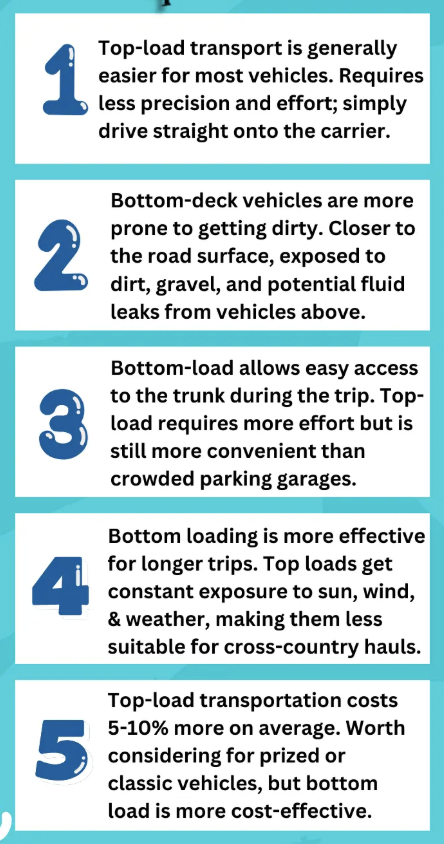
From a risk perspective, towing a damaged vehicle long-distance is often safer than driving it. From a cost perspective, planning and calculators make the difference between a reasonable bill and an expensive surprise.
Affordable vs Cheap Towing: What’s the Difference?
“Cheap towing” and “affordable towing” are not the same thing. Cheap towing focuses on the lowest upfront price. Affordable towing balances price with reliability and safety.
Cheap towing may involve outdated equipment, limited insurance coverage, or rushed handling. Affordable towing aims to move the vehicle correctly the first time, reducing the risk of additional damage or repeat towing.
In towing, the true cost includes what happens after the tow. Paying slightly more for proper handling often saves money overall.
Understanding the difference between affordable vs. cheap towing is crucial for vehicle owners, as it highlights how investing in a professional service with the right equipment can prevent the costly mechanical damage often associated with “budget-only” operators.
What Impacts Towing Service Cost Most?
Several factors influence towing service costs more than people expect. Vehicle weight and towing method are two of the biggest variables. Flatbed towing costs more because it requires specialized equipment and loading time.
Time also matters. After-hours towing, weekends, and holidays usually increase rates. Weather conditions, accident scenes, and off-road recovery add complexity and risk, which affects pricing.
Knowing these factors helps you understand quotes and avoid unrealistic expectations.
SUV Towing Capacity Charts: : How to Read Them Correctly
Towing capacity charts look simple but are often misunderstood. The numbers shown usually represent maximum capacity under ideal conditions, not everyday use.
Charts assume:
Minimal passengers
No cargo
Proper hitch setup
Optimal terrain
Most of the time, living in the real world means making sacrifices. That’s why it’s recommended to leave a safety buffer of 20 to 25% below the limit.
Best Trucks for Towing: What Really Matters
The best trucks for towing are not always the most powerful. Stability, braking, and cooling systems matter just as much as engine output.
Longer wheelbases improve control, while reinforced frames handle stress better. Transmission cooling and axle ratios also play major roles in long-distance reliability.
A well-matched truck feels calm under load. That calmness is often a better indicator than raw specifications.
Best SUVs for Towing (Small, Midsize & Full-Size)
SUVs offer a balance between comfort and capability. Small SUVs handle light towing, midsize SUVs cover moderate loads, and full-size SUVs approach truck-like performance.
However, SUVs typically have lower payload than trucks. This means passenger and cargo weight quickly reduces towing ability. Understanding this tradeoff prevents overload.
Choosing an SUV for towing works best when towing is occasional rather than constant.
Flatbed Towing Explained: When Is It Required?
Flatbed towing lifts the entire vehicle off the ground, eliminating wheel and drivetrain movement. This makes it ideal for modern vehicles, all-wheel-drive systems, and cars with severe damage.
While flatbed towing costs more, it significantly reduces the risk of mechanical damage. In many situations, it is not just safer—it is required.
Understanding when flatbed towing is appropriate helps avoid costly repairs later.
Motorcycle Towing: Methods, Costs & Safety
Motorcycle towing needs extra caution since motorcycles are thin, tall and unsteady when not tied down. Standard ways of towing may easily flip over or break a motorbike.
To properly tow a motorbike, you need cradles, rails or trailers that are designed to hold the bike upright. To keep the frame or suspension from becoming damaged, the straps must be in the right place.
Motorcycles may be cheaper since they are lighter, but if you don’t handle them correctly, they may become quite pricey.
RV & Camper Towing Basics for Beginners
RV towing introduces new challenges: length, wind resistance, and braking distance. Even moderate weight feels heavier because of size and aerodynamics.
Proper hitch setup, brake controllers, and sway control systems are critical. Many RV-related towing incidents occur because drivers underestimate stopping distance.
Patience and planning are essential when towing campers or RVs.
Light Duty vs Heavy Towing: Key Differences
Light-duty towing covers passenger vehicles and small trailers. Heavy towing involves commercial trucks, buses, and equipment.
Heavy towing requires reinforced recovery points, hydraulic systems, and trained operators. Attempting heavy towing without proper equipment is extremely dangerous.
Understanding the difference helps set realistic expectations and prevents misuse.
Towing Insurance Explained in Plain Language
Towing insurance coverage varies widely. Some policies include roadside towing up to a certain distance, while others require add-ons.
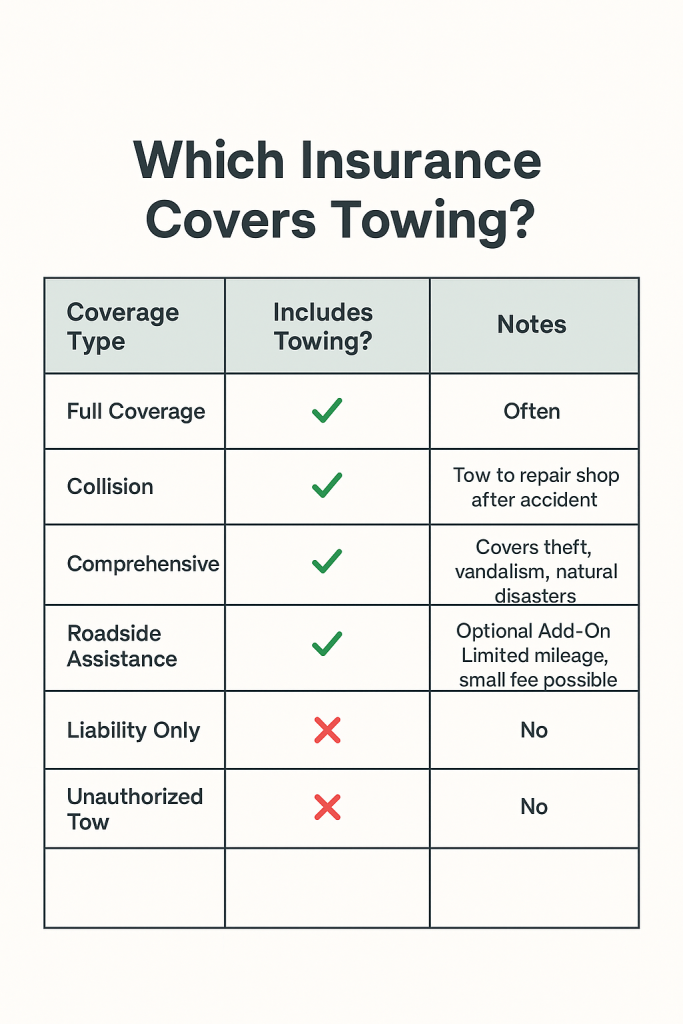
Coverage may be limited by:
Distance caps
Number of claims
Vehicle type
Reason for towing
Knowing your coverage before an emergency avoids confusion and unexpected costs.
Does Insurance Cover Towing Costs?
Insurance may cover towing, but rarely without limits. Many policies only cover towing to the nearest repair facility, not your preferred location.
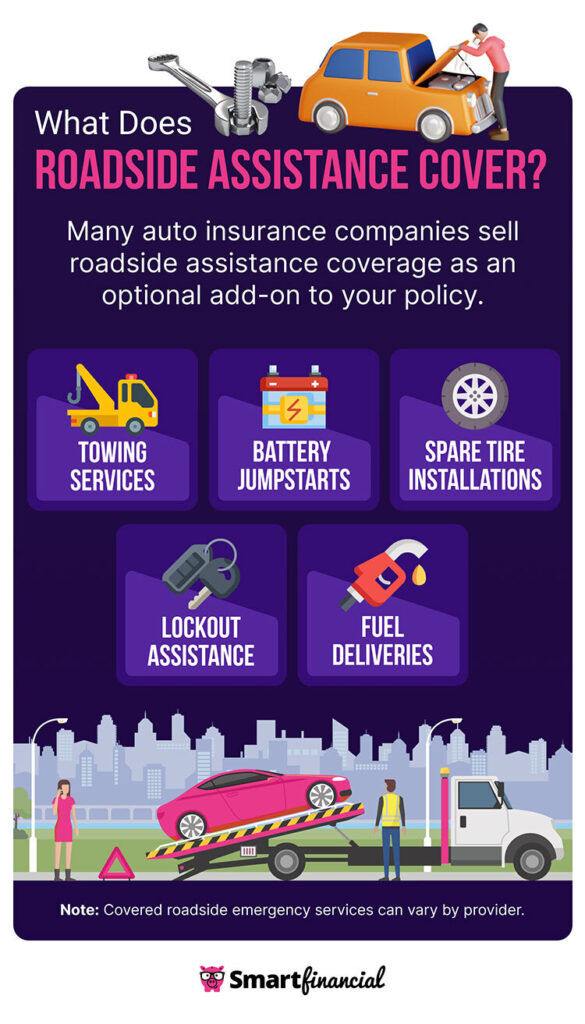
Understanding these limits helps you decide whether additional roadside assistance coverage is worthwhile.
How to Tow a Car Safely (Step-by-Step Thinking)
Safe car towing begins with preparation, not movement. Weight limits, secure connections, and visibility checks come first.
Drivers should allow extra stopping distance, avoid sudden maneuvers, and maintain moderate speeds. Smooth driving protects both vehicles.
Safe towing feels slow and controlled—and that’s exactly how it should feel.
What Does “Towing the Line” Mean?
“Towing the line” is an idiom meaning to follow rules or authority closely. While unrelated to vehicle towing, the phrase reflects discipline and control—qualities that matter in real towing as well.
Understanding the phrase avoids confusion for readers encountering it in non-automotive contexts.
Buying a Towing Truck: What to Know Before You Decide
Buying a towing-capable truck requires more than checking horsepower. Payload ratings, axle strength, and braking systems matter most.
Used towing vehicles should be inspected carefully for transmission wear, suspension fatigue, and cooling system health. A truck that has towed regularly may show hidden stress.
Buying wisely reduces long-term costs and improves safety.
Final Thoughts: Smart Towing Is Calm, Informed Towing
Towing does not have to be stressful. Most problems come from rushing, guessing, or ignoring limits. When you understand costs, capacity, safety, and calculations, towing becomes predictable.
This guide was written to stay useful for years. No trends, no selling—just clear, reliable knowledge. Use it alongside towing calculators, safety checks, and common sense, and you will already be ahead of most people on the road.
